
Bird Spikes Installation in AC Guards | Anti Pigeon Spikes for Balconies, Ledges & Windows
Rohini provides well-finished bird spikes installation in AC Guards for older apartments, side balconies, retaining walls, and shaded window projections. Our anti pigeon spikes help protect parapets, chajjas, AC ledges, window projections, and other hard perch lines with a cleaner, route-aware bird-control finish.

AC Guards ledge and perch work starts with the site
The weakest bird-control work in AC Guards usually shares one flaw: it answers the obvious edge and ignores the supporting perch. A contractor places spikes on one visible parapet, takes photos, and leaves. The property still has an active route because the earlier spike strip looked finished from inside but left the retaining wall cap untouched. Owners then assume spikes do not work, when the real problem was lazy reading of the building. Bird spikes are precise tools. They are careful on ledges, chajjas, parapet caps, AC frames, sign tops, façade projections, and other narrow landing bands. They are poor when treated as a decorative strip with no understanding of approach direction, bird habit, or nearby pause points. In AC Guards, a well-finished result comes from handling the entire perch sequence so the birds lose confidence in the surface rather than simply moving half a meter away.
In AC Guards, bird trouble often begins at a surface nobody planned to think about again. It might be retaining wall caps, or it might be side balcony parapets. In the central-city mixed belt between institutional roads, apartments, and older well-finished homes, homes are shaped by older apartments, side balconies, retaining walls, and shaded window projections, so these edges are not decorative details. They sit inside daily life. families depend on airflow without wanting birds settling in narrow side openings. Once pigeons test an edge and find it stable, the property starts feeling smaller. Chairs get shifted. Windows stay half closed. Owners stop enjoying the one ledge or sit-out that was supposed to soften the home. Bird spikes become relevant in AC Guards when the issue is repeated perching on hard edges, not full flight through a large opening. That distinction matters because the wrong service leaves the same mess behind, only with more metal fixed to the building.
Process
Site Read
Materials
Scope Based
Service Area
AC Guards
Site condition reviewed before final fitting is confirmed.
Material options discussed against exposure and fixing surface.
Fitting planned around balconies, windows, and high-rise access.
A better fit for ledge cleaning and bird-control upkeep
In properties across AC Guards, pigeons rarely jump straight into the worst spot. They build a route. They pause on retaining wall caps, shift to side balcony parapets, test window shades, and keep AC unit trays as a backup resting line. That sequence matters because many owners try to fix only the surface with the most visible dirt. The bird simply uses the step before it or the step after it. Strong bird spikes work when the installation follows the route instead of reacting to the stain pattern alone. In AC Guards, that usually means checking every hard perch line around the balcony or window rather than only the one seen from the living room. Once the route is interrupted cleanly, the property stops inviting the same repeat landing cycle.
Before fitting
Small site choices that change daily use
Speak with the team
Need a site read for bird spikes installation in AC Guards?
Speak with our team for site guidance, product suggestions, and a site quote for your balcony, window, or outdoor installation.
AC Guards scope
Details that keep the space easy to use
A good AC Guards scope should explain the surface, the material, and the small choices that affect daily use.
How AC Guards Creates Perch Pressure
The built form of AC Guards strongly shapes pigeon behavior. This is not random bird movement. In the central-city mixed belt between institutional roads, apartments, and older well-finished homes, buildings present repeatable pause points in the form of retaining wall caps, side balcony parapets, window shades, and AC unit trays. Pigeons read these features as safe waiting spots because they offer grip, visibility, and quick exits. That pressure becomes stronger when the same home also relies on those edges for ordinary living. families depend on airflow without wanting birds settling in narrow side openings. Families do not want to close everything for the long run, yet they also do not want droppings, feathers, smell, or repeat cleaning. For bird spikes installation in AC Guards, the real job is identifying where the bird is settling before it enters the family zone. Once that perch map is read correctly, spikes can stop the pause pattern while leaving the property far more open and usable than a broad, unnecessary barrier.
A Recent Correction in AC Guards That Changed the Property
A recent site at a side-facing apartment balcony near a sloping internal road captured the real difference between average bird control and a route-aware install. The owner had already paid once for a quick fix. From the ground it looked completed, yet pigeons kept returning every morning because the earlier spike strip looked finished from inside but left the retaining wall cap untouched. We corrected a terrace route that previous work missed completely. That one line changed the whole outcome. After the missing perch was handled and the spike layout was tightened across the actual landing path, the property stopped behaving like a bird stopover. The family no longer had to keep watching the edge or clean the same strip of droppings every two days. The most important shift was emotional: the balcony or window line stopped feeling compromised. That kind of recovery is the strongest proof we can give in AC Guards, because it comes from solving the geometry rather than only adding more material.
Why Spikes Work Better Than Guesswork in AC Guards
Property owners in AC Guards often compare spikes, nets, mesh, or loose improvised deterrents as though they all solve the same problem. They do not. Bird spikes are the right answer when pigeons are claiming narrow landing bands such as retaining wall caps, side balcony parapets, window shades, and AC unit trays. They stop perching without turning the property into a visually enclosed cage. Nets or other systems may be better for open voids or full entry control, but spikes are careful on the hard surfaces birds keep reusing as waiting points. This service becomes especially powerful in AC Guards because many homes need their openings to remain visually open while still losing the dirt, noise, and repeat landing behavior. That balance is what separates serious spike installation from casual, low-trust bird deterrent work.
Where Bird Spikes Actually Belong in AC Guards
Good spike planning in AC Guards begins with honesty about the surface. Bird spikes are strongest where the problem is perching on hard edges. That includes retaining wall caps, side balcony parapets, window shades, and AC unit trays and similar lines such as narrow façade projections, chajja returns, beam edges, entry canopies, stone coping bands, and sign-top metals. These are the places where pigeons pause, balance, and re-approach. If a home needs full opening control, spikes alone are not the answer. That is exactly why serious property owners appreciate a more truthful site reading. In AC Guards, the right installations protect the perch lines that create the mess while leaving the rest of the property visually calm. When spikes are placed only where landing pressure exists, the building looks cleaner and the correction feels intelligent instead of heavy-handed.

The cost should follow the opening, not a fixed script
Work sequence
Surface, access, and alignment before the final fitting
The weakest bird-control work in AC Guards usually shares one flaw: it answers the obvious edge and ignores the supporting perch. A contractor places spikes on one visible parapet, takes photos, and leaves. The property still has an active route because the earlier spike strip looked finished from inside but left the retaining wall cap untouched. Owners then assume spikes do not work, when the real problem was lazy reading of the building. Bird spikes are precise tools. They are careful on ledges, chajjas, parapet caps, AC frames, sign tops, façade projections, and other narrow landing bands. They are poor when treated as a decorative strip with no understanding of approach direction, bird habit, or nearby pause points. In AC Guards, a well-finished result comes from handling the entire perch sequence so the birds lose confidence in the surface rather than simply moving half a meter away.
Work that should settle into the space
Every installation is planned to preserve openness, airflow, and the clean look of the property while improving safety.
Care notes
Small habits that help the work stay settled
Inspect the full perch route around the property instead of judging only the dirtiest visible edge.
Ask whether spikes are being fixed on the real landing surface or only on the easiest line to photograph.
Clean and prepare the surface properly before installation, especially on dusty or older ledges common in AC Guards.
Treat related lines together when birds move between retaining wall caps and side balcony parapets in one short sequence.
Do not use spikes where the real issue is full entry through a large opening; choose the correct system for the correct problem.
Prioritize alignment and finish so the property gains control without looking visually harsher afterward.
Related Services
Customers also explore these services
Browse closely related installation services for balconies, windows, bird protection, and modern home safety.
Service Page
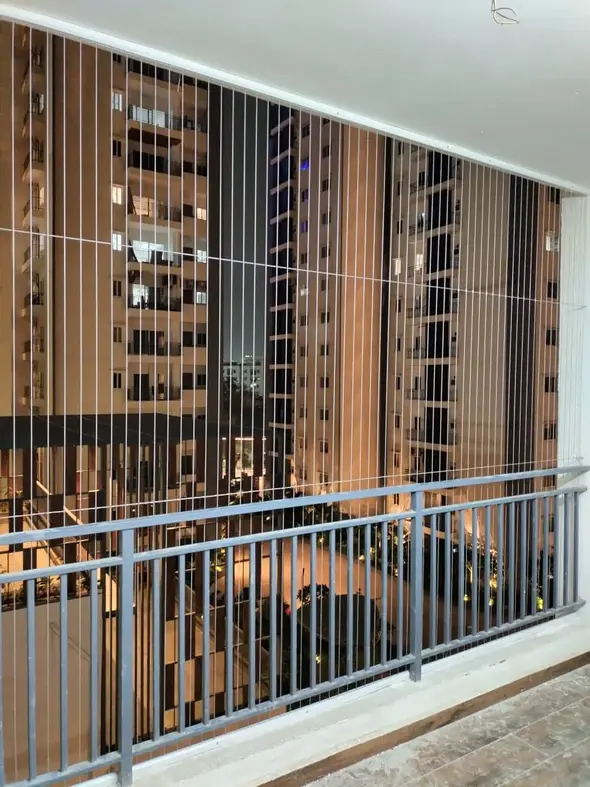
Anti Bird Invisible Grills
Keep your home free from pigeons and birds with anti-bird invisible grills. Made with SS 304/316 materials, these grills are designed for apartments and terraces, ensuring safety without compromising aesthetics.

Service Page
Anti Bird Net Installation
Strong and long-lasting anti bird nets to protect balconies, windows, and open areas from pigeons and birds. Safe, eco-friendly, and ideal for maintaining hygiene in residential and commercial spaces.

Service Page
Windows Invisible Grills
Custom window grills using SS 304/316 grade stainless steel. Invisible yet strong, ideal for child safety and bird protection, letting you enjoy a clear view while keeping your home secure.
Service Page
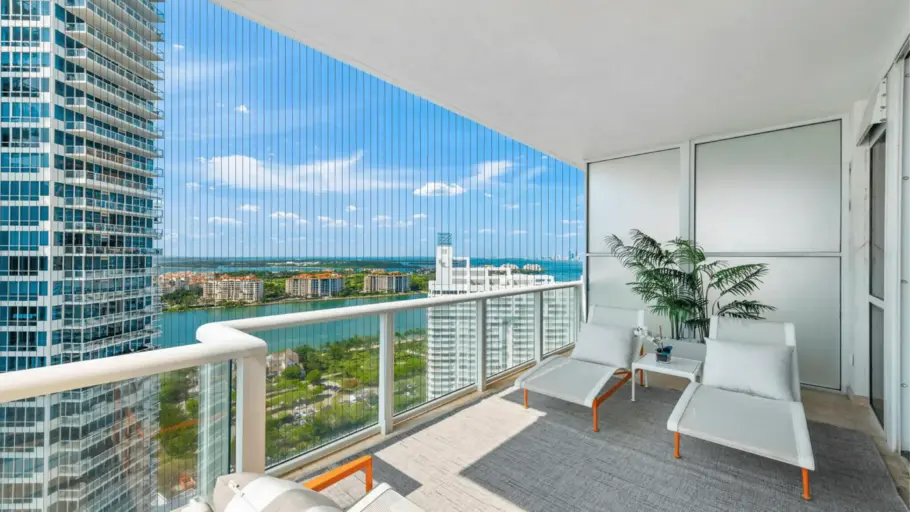
Invisible Grills
Premium invisible grills made from SS 304/316 grade materials, ideal for apartments, windows, and balconies. Protects children and prevents birds from entering your home without blocking your view.
Frequently Asked Questions
They work right on hard landing lines such as retaining wall caps, side balcony parapets, window shades, and AC unit trays, plus similar parapet caps, chajjas, sign tops, and façade edges where pigeons keep pausing.
Yes. When the issue is repeated perching on narrow edges, spikes are often the cleaner and more appropriate answer. Nets are more relevant when a wide open void needs full entry control.
No. Properly installed bird spikes are a humane deterrent. They stop comfortable landing and perching without trapping or injuring birds when used on the correct surfaces.
Yes, provided the surface is suitable and the actual route has been read correctly. AC ledges and window shades are two of the most common recurring pigeon pause points.
Price depends on perch length, access, surface type, cleaning needs, earlier failed material removal, and how many related landing lines must be treated together for a stable result.
Yes. Many customers contact us after front-only spikes, rough local fixes, or partial deterrents fail. Rework usually succeeds once the missing route is identified and corrected.
Many straightforward properties can be handled in a short visit, while taller, dirtier, or multi-surface jobs take longer. The schedule depends on how much actual route correction is required.
Because bird problems feel repetitive and visible. People want a local team that can read the property correctly, install neatly, and deliver a result that looks well-finished instead of improvised.
Popular Areas We Serve
Explore this service in top locations
Ready for a site read
Need Bird Spikes Installation in AC Guards?
Get a Site Check in AC Guards for anti pigeon bird spikes on parapets, window shades, AC ledges, façade edges, and other repeat landing lines.